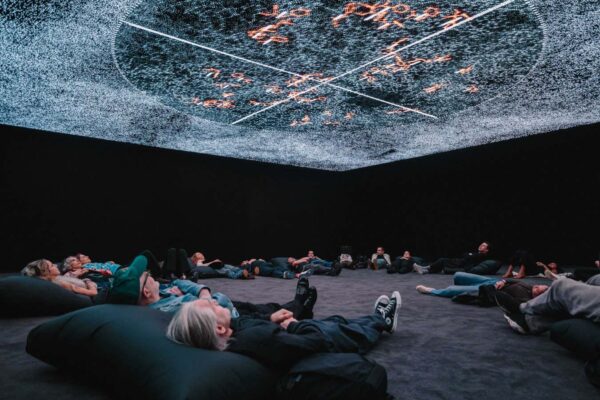

New Scientist recommends pioneering artist Ryoji Ikeda’s new work

Ryoji Ikeda’s data-cosm [n°1] Alice Lubbock Thomas LewtonFeatures editor, London Since the mid-2000s, electronic musician and visual artist Ryoji Ikeda has transformed vast quantities of data into immersive installations that transport you inside invisible scientific realms. When visiting his new work data-cosm [n°1], which sets out to “chart the full spectrum of data on nature”,…

Read More

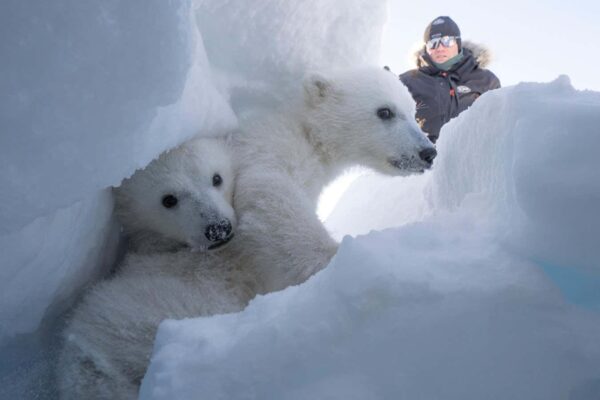
Polar bears are getting fatter in the fastest-warming place on Earth

Researchers tracked the body condition of polar bears in Svalbard Jon Aars, Norsk Polarinstitutt Polar bears have been getting fatter even as sea ice disappears in Norway’s Svalbard archipelago, the fastest-warming place on Earth – but scientists don’t expect the good times to last. The northern Barents Sea, which stretches between Svalbard and Russia’s Novaya…

Read More

Our lifespans may be half down to genes and half to the environment

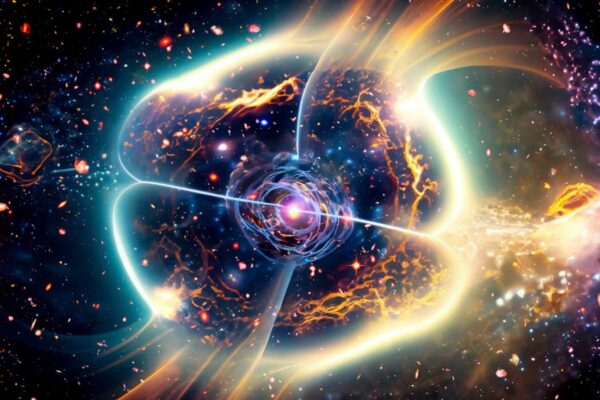
Studying twins is key to understanding the heritability of lifespan Halfpoint/iStockphoto/Getty Images In wealthy, relatively safe countries, how long people live now probably depends just as much on the genetic variants they inherit from their parents as on their environment and lifestyles. That’s the implication of a study reanalysing data from research in twins in…

Read More

AI-assisted mammograms cut risk of developing aggressive breast cancer

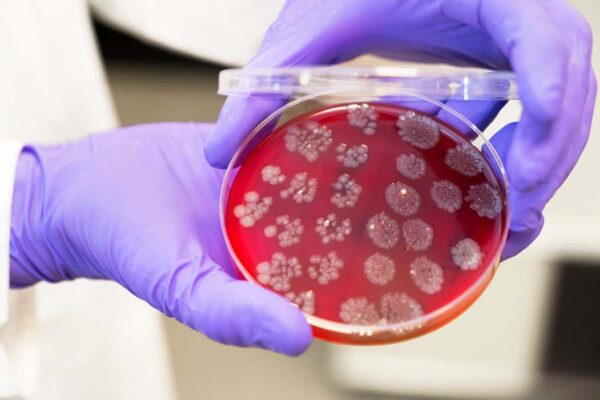
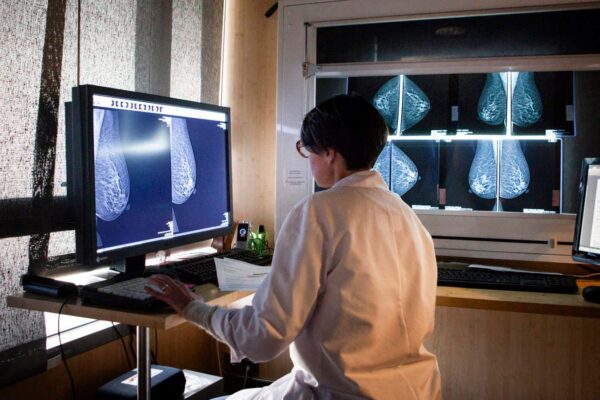
Spotting cancer tumours in mammograms seems to be easier with AI AMELIE-BENOIST/BSIP/Universal Images Group via Getty People who are screened for breast cancer by AI-supported radiologists are less likely to develop aggressive cancers before their next screening round than those who are screened by radiologists alone, raising hopes that AI-assisted screening could save lives. “This…

Read More